The “Heirs Property” Trap: Protecting Your Inherited Brooklyn Home from Predatory Buyers
When a homeowner passes away in New York without leaving a highly specific trust or a will detailing the exact division of their real estate, the property typically passes to their descendants as “tenants in common” [3, 11].
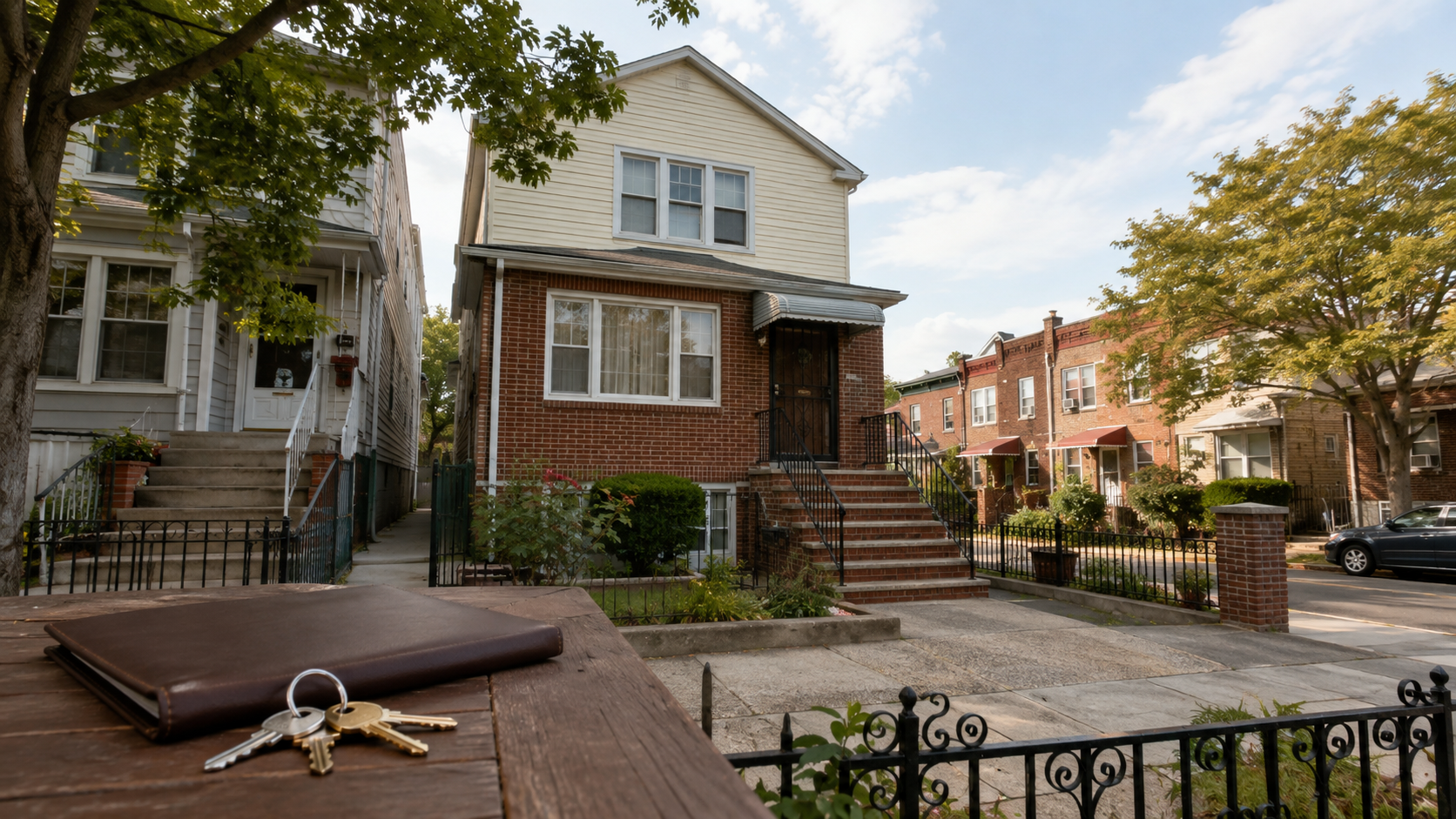
While this sounds straightforward, it creates a highly vulnerable form of ownership known as “heirs property.” If a multi-family home in Brooklyn or Queens is passed down through a couple of generations, it isn’t uncommon for five, ten, or even fifteen different relatives to each own a fractional share of the house.
In the 2026 real estate market, where outer-borough property values are high, this fragmented ownership creates a massive target for predatory investors. If your family is managing an inherited home, you must understand the “Heirs Property Trap” and how New York law protects you.
The Predatory Playbook: The Old Partition Trap
For decades, predatory speculators used a brutal legal loophole to strip families—often in historically minority neighborhoods—of their generational wealth [10].
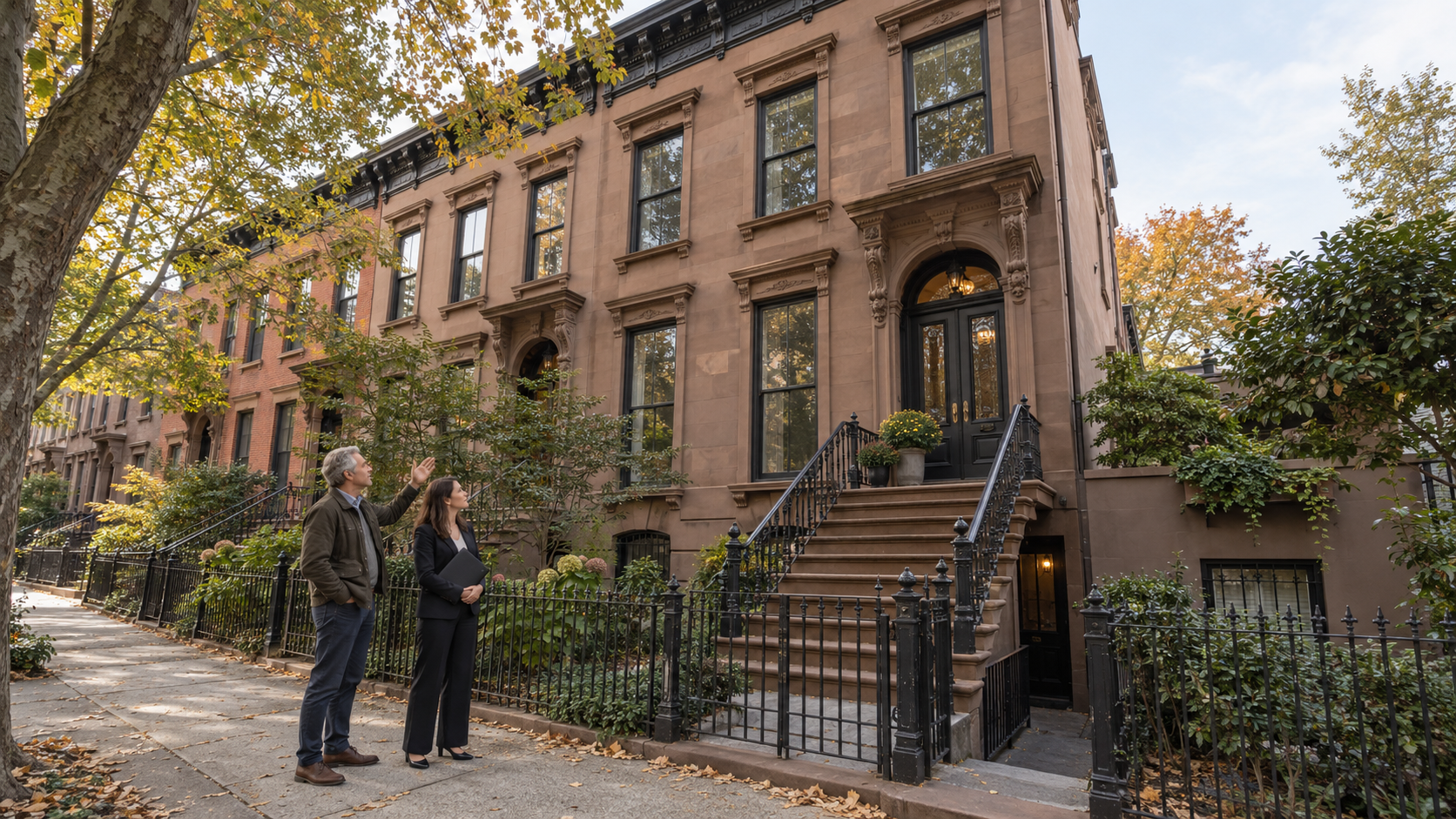
The playbook worked like this: An investor would track down one of the heirs (perhaps a distant cousin living out of state who owned a 10% share of the Brooklyn brownstone) and offer them a small amount of quick cash for their share [6].
Once the investor owned that 10%, they had the legal right as a co-tenant to file a “partition action” against the rest of the family in the Supreme Court [3]. Because the house could not be physically chopped into pieces, the court would order a forced sale of the property. Historically, this meant the house was sent to a public courthouse auction, where it was sold with minimal marketing for pennies on the dollar [1, 11]. The investor would buy the entire house at a massive discount, and the family was evicted, losing hundreds of thousands of dollars in equity.
The Shield: The Uniform Partition of Heirs Property Act (UPHPA)
To stop this predatory tactic, New York enacted the Uniform Partition of Heirs Property Act, found under Section 993 of Article 9 of the state’s Real Property Actions and Proceedings Law (RPAPL) [5, 6].
In 2026, if a third-party investor (or an uncooperative sibling) tries to force a partition sale on a property that qualifies as “heirs property,” the UPHPA triggers a series of mandatory, robust due-process protections designed to save the family’s equity [3, 10].
Here is how the law protects you:
1. The Mandatory Settlement Conference The court will not simply rubber-stamp an auction. The UPHPA mandates a settlement conference—usually within 60 days of the request for judicial intervention—to force the parties to the table [4, 6]. This prevents an aggressive investor from rushing the family into a panic sale [5].
2. The Independent Court Appraisal Instead of letting a house go for a lowball auction bid, the court will appoint a licensed, independent appraiser to determine the true fair market value of the entire property [1, 5].
3. The Buyout Option (Right of First Refusal) This is the most powerful protection for families. Once the fair market value is set, the family members who want to keep the house are given 45 days to exercise a “right of first refusal” [1, 6]. This allows them to buy out the investor’s (or the selling sibling’s) fractional share at the proportional appraised value, keeping the home safely in the family [3].
4. The Open-Market Brokered Sale If the family cannot afford to buy out the other party and a sale is absolutely required, the court will no longer send the home to a devastating public auction [1]. Instead, the UPHPA dictates a “commercially reasonable” sale [3, 6]. The court will mandate that a licensed real estate broker be hired to list the property on the open market, ensuring the family receives the highest possible market value [1, 11].
Navigating an Heirs Property Dispute
The UPHPA is an incredible legal tool, but it requires swift action and professional guidance to leverage properly. If you receive notice of a partition action, or if you simply want to sell an inherited property before the co-ownership situation fractures, you need a team that understands the nuances of New York estate real estate.
At the LJ Realty Team, we specialize in the delicate process of managing inherited property sales. Whether we are conducting a strategic open-market listing mandated by the court, or working with your family to find a private buyout solution before the lawyers get involved, Sheldon The Realtor acts as a neutral, data-driven advocate to maximize your family’s payout.