NYC Lead Paint Rules for Small Landlords: Testing, Turnover and Records
The NYC lead paint rules for landlords are not one annual form or a one-time repair. For many older Brooklyn and Queens rentals, compliance includes XRF testing, January notices, inspections when a child under six resides in the apartment, lead-safe repair procedures, vacancy-turnover work and a record file kept for at least 10 years. The August 9, 2025 deadline for testing covered units and common areas has already passed. Owners should also prepare for a July 1, 2027 remediation deadline affecting certain occupied apartments with a child under six. Start with the building age, occupancy and existing test records; federal rules cover a broader pre-1978 period than some city duties.
The working compliance calendar
| When | Core action |
|---|---|
| Once for each covered unit and common area | Complete the required XRF testing and preserve the report |
| January 1–16 every year | Deliver the approved annual notice asking whether a child under six resides there |
| By February 15 | Collect tenant responses and identify nonresponses |
| February 16–March 1, when required | Make documented attempts to determine whether a child under six resides in a nonresponding unit |
| At least annually in an identified child-under-six unit | Inspect painted surfaces and applicable common areas; document and provide results |
| Whenever paint is disturbed or a hazard is reported | Use the correct certified firm, safe practices and clearance procedure |
| Before every covered unit is reoccupied after turnover | Complete and document the required turnover work |
First determine which rules cover the property
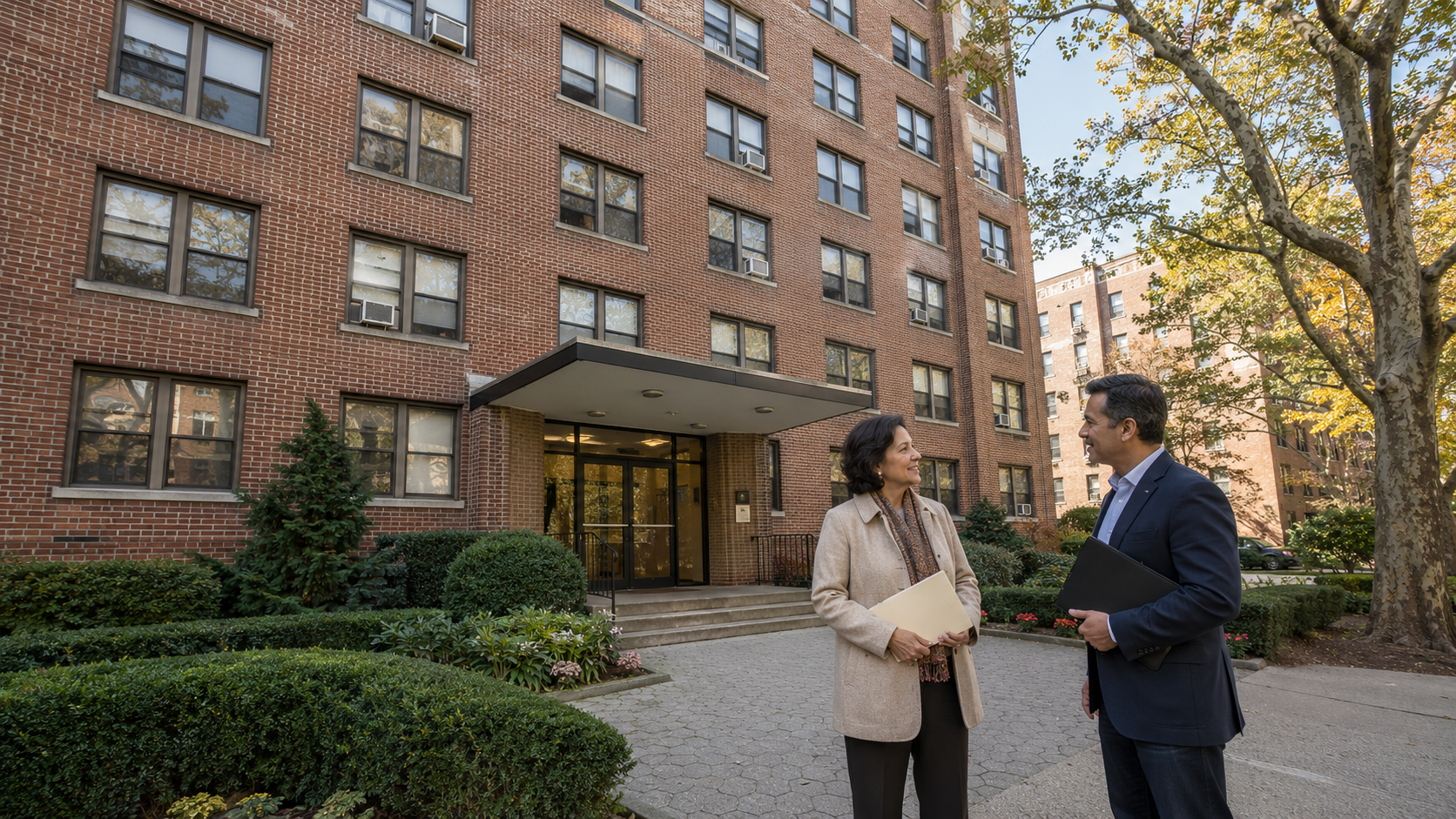
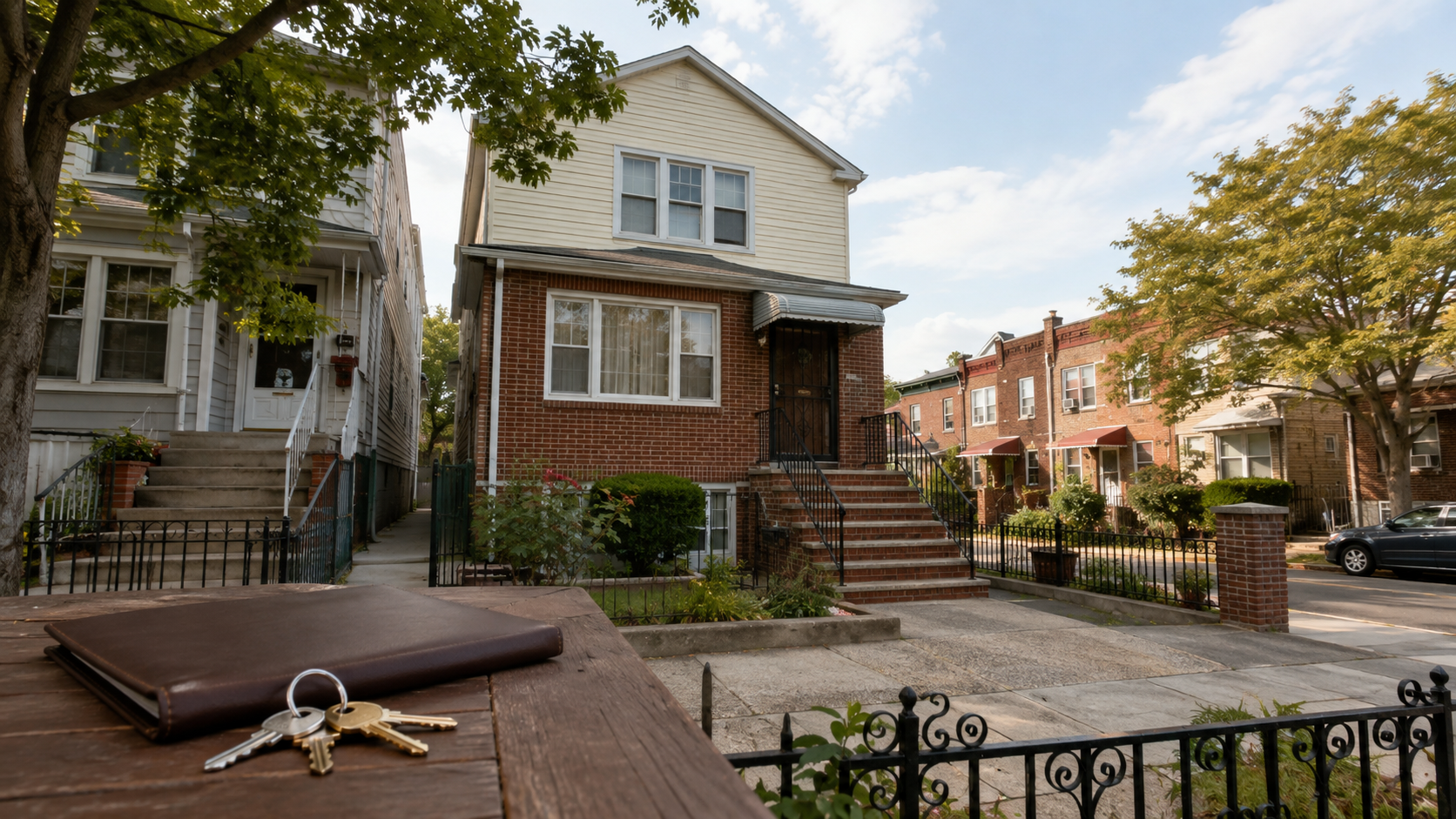
NYC Local Law 1 generally applies to pre-1960 rentals, including tenant-occupied units in one- and two-family homes, and can cover 1960–1978 buildings when the owner knows lead paint is present. The HPD overview defines a child as “residing” when the child routinely spends at least 10 hours weekly there. Federal disclosure and renovation rules cover most pre-1978 rentals more broadly.
If the XRF test was missed, address it now
As of August 9, 2025, owners had to use an independent EPA-certified lead inspector or risk assessor to test painted surfaces in covered dwelling units and common areas with an X-ray fluorescence device. HPD’s current XRF guidance confirms that the requirement includes vacant covered units and uses the city’s 0.5 mg/cm² action level. This is generally a one-time test, not an annual test.
If testing was missed, engage a qualified independent inspector promptly. Preserve the certification, report, affidavit, written access notices and attempted appointments. Never backdate a record.
A positive result does not require immediate removal of every intact surface; condition, location, occupancy and violations control the response. Positive door and window friction surfaces affect later obligations. If applicable surfaces test negative, consider an HPD lead-free exemption—the report alone is not an exemption.
Run the annual-notice process on fixed dates
HPD’s annual notice instructions require owners to deliver the approved notice between January 1 and January 16 and collect completed forms by February 15. The notice must be supplied in at least English and Spanish, in duplicate, with one copy for the occupant and one to return.
For a nonresponse, make reasonable, documented inspection attempts between February 16 and March 1. If access is unavailable, written notice to the Department of Health and Mental Hygiene and supporting records may be required.
When a child under six is identified, inspect every painted surface in rooms, closets and cabinets at least annually for deterioration, chewable surfaces, and friction or impact areas. Inspect applicable common areas, give the occupant the results and correct qualifying hazards promptly.
Use this as a recurring compliance file alongside the property’s NYC Heat Season checklist rather than relying on memory.
Complete turnover work before the next tenant moves in
Turnover means the prior tenancy ended and a new tenant will occupy the vacant apartment; a renewal is not turnover. The work applies regardless of whether the incoming household has a child.
According to HPD’s turnover and child-under-six guidance, owners must:
- Remediate peeling paint and underlying defects such as leaks
- Address chewable lead-painted surfaces showing teeth marks
- Abate lead-painted door, door-frame and window friction surfaces through an approved method
- Make bare floors, windowsills and window wells smooth and cleanable
- Follow safe work practices, complete required clearance and retain the supporting records
Finish the work before reoccupancy and complete the applicable lease or commencement-of-occupancy certification. Coordinate these duties with the move-in condition process in the NYC security-deposit guide, but keep the lead records separate from the deposit checklist.
Prepare now for child-occupied-unit deadlines
Local Law 123 extended turnover-level work to certain occupied units even without a tenant change. For a covered multiple-dwelling unit where a child under six resided as of January 1, 2025, the work is due by July 1, 2027 unless turnover requires it sooner. If a child begins residing there after January 1, 2025, the work is generally required within three years of that date or at an earlier turnover.
The requirement applies even without visible peeling. Review the enacted law and plan access or temporary relocation with qualified professionals.
Hire for the work actually required
HPD’s safe-work guidance distinguishes renovation from abatement and violation correction:
- Paid repair, renovation or painting that disturbs covered paint generally requires an EPA-certified renovation firm and trained certified renovator.
- Work performed to correct an HPD or DOHMH lead violation or order requires the appropriately certified lead-abatement firm and personnel.
- Required dust-clearance sampling must be performed by qualified personnel independent of the company that completed the remediation or abatement.
In pre-1978 housing, plan safe practices before disturbing two square feet of paint in a room, 10% of a small component, removing a window or disturbing 20 square feet outside. The EPA RRP program can also cover work performed by landlords or employees. Classify the job before hiring.
Give federal disclosures before the lease begins
For most pre-1978 rentals, the EPA disclosure rule requires the landlord to provide the approved lead-information pamphlet, disclose known lead paint and hazards, provide available reports and include the federal lead warning statement before the tenant is bound by the lease. Keep the signed disclosure for at least three years.
This disclosure does not replace the NYC annual notice, XRF report, turnover certification or safe-work documents. Use a lease package that contains every applicable federal and city form.
Keep one audit-ready file for at least 10 years
Maintain a unit-by-unit and common-area file containing:
- XRF reports, inspector qualifications, affidavits and access attempts
- Annual notices, delivery proof, responses and nonresponse follow-up
- Annual and complaint-triggered investigation reports and proof the tenant received results
- Photographs, work scopes, invoices and underlying-defect repairs
- Firm and worker certifications, required notices and occupant-protection records
- Independent dust-clearance reports and laboratory results
- Turnover certifications and child-under-six remediation records
- HPD exemptions, violations, correction filings and agency correspondence
HPD may demand the 10-year file during an audit. Its March 2026 enforcement announcement reports $150,000 in recent recordkeeping penalties and orders. On a sale, transfer the compliance records to the new owner and include them in the tenant-occupied sale file and broader seller-document checklist.
Make compliance part of turnover planning
The safest sequence is to identify coverage, complete overdue testing, calendar the annual notice, inspect qualifying units, hire the correct certified professionals and preserve every record. Do not wait for a complaint, violation or new lease to reveal a missing step.
Sheldon Myers, Licensed Associate Broker, can help Brooklyn and Queens owners review rental positioning, vacancy timing and marketing readiness while lead compliance remains with qualified inspectors, contractors and counsel. Request a rental turnover review.
Serving Brooklyn and Queens property owners since 2004.
This article provides general real-estate information, not legal, medical or environmental advice. Lead requirements depend on building age and type, occupancy, test results, work scope, violations, exemptions, federal-assistance rules and current agency guidance. Consult HPD, a qualified New York attorney and appropriately certified lead professionals about a specific property.