HPD and Façade Violations Spiking in 2026: Should You Fix or Sell As-Is?
Owning a multi-family property or a mid-sized apartment building in Brooklyn or Queens used to be a steady, predictable path to building generational wealth. But if you have been managing property in New York City over the last few years, you know the regulatory landscape has drastically shifted.
In 2026, the Department of Housing Preservation and Development (HPD) and the Department of Buildings (DOB) are no longer just issuing warnings. They have fundamentally rewritten the penalty structures, making it incredibly expensive for landlords who fall behind on maintenance, lead paint testing, or structural safety checks.
If your property is racking up violations, you are likely facing a massive financial crossroads. Should you drain your savings to bring the building up to code, or is it time to cut your losses and sell? Here is a breakdown of the 2026 violation spike and how to navigate your exit strategy.
1. The HPD Crackdown: Local Law 71 and The Watchlist
Historically, some landlords treated HPD fines as a minor “cost of doing business.” That era is officially over.
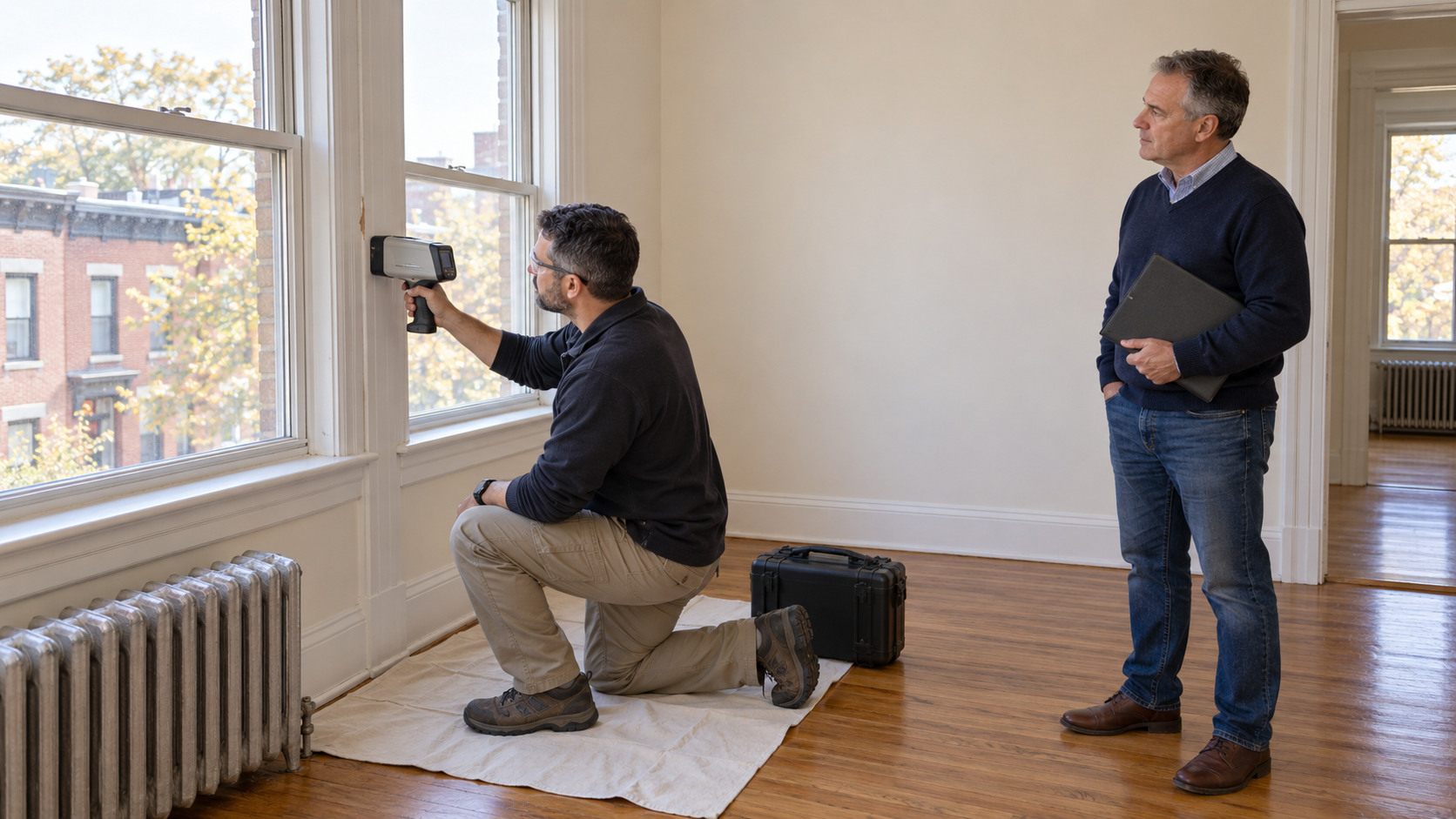
Under the recently implemented Local Law 71, HPD violation fines have increased by three to ten times their previous amounts. For example, if an unresolved Class B (hazardous) violation sits on your record, the penalties can now reach $250 per month, costing you over $1,800 a year for a single infraction. With over 278,000 Class C (immediately hazardous) violations issued across the city in recent years—heavily driven by strict new rules regarding pest infestations, lead paint testing under Local Law 31, and heating outages—these fines compound at a devastating rate.
The False Certification Trap: To avoid these new, massive fines, some owners try to “certify” that a repair was made before the work is actually completed. Do not do this. HPD has aggressively launched its “Certification Watchlist” to crack down on this exact practice. In 2026, the city publicly flagged 100 buildings—representing thousands of false certifications—and placed them under intense scrutiny. Landing on this public watchlist triggers mandatory re-inspections, escalated penalties, and potential inclusion in the Alternative Enforcement Program (AEP), where the city performs the repairs and bills you directly via a tax lien.
2. Local Law 11 (FISP Cycle 10) is Here
If your building is over six stories tall, you face a second massive hurdle: the Facade Inspection Safety Program (FISP), commonly known as Local Law 11.
The city requires a Qualified Exterior Wall Inspector (QEWI) to examine the building’s facade every five years. We are currently in the middle of FISP Cycle 10. Specifically, Sub-cycle 10B (for properties with tax block numbers ending in 0, 7, or 8) officially opened its filing window on February 21, 2026.
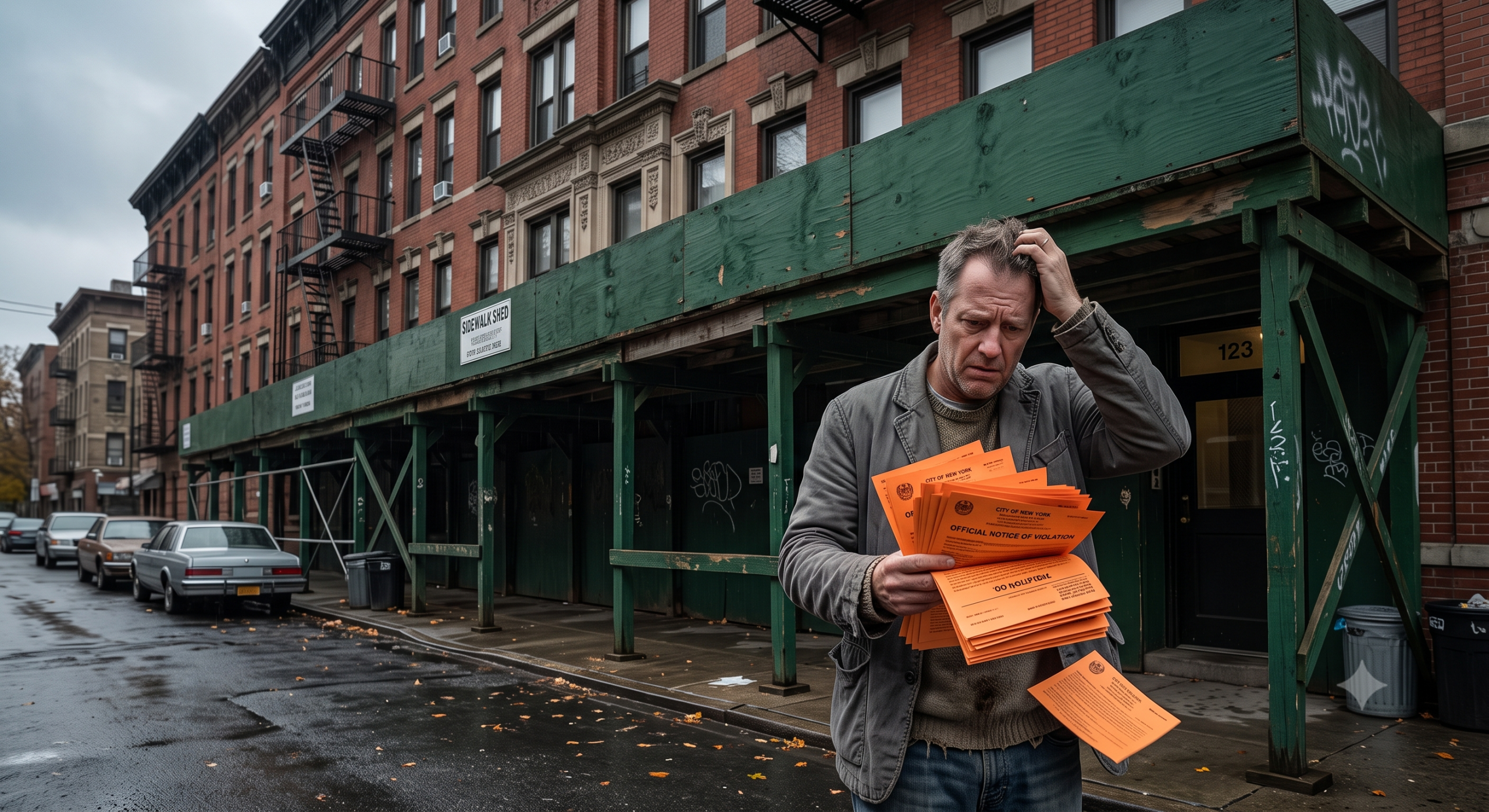
If your building’s facade is found to have an “UNSAFE” condition, you are legally required to immediately install a sidewalk shed (scaffolding) to protect the public. The rental costs for these sheds usually dwarf the fines themselves, costing tens of thousands of dollars annually.
If you miss your filing window entirely, the DOB will hit you with a $1,000 per month late penalty, plus a $5,000 annual fine for failing to file, on top of any fines for the actual physical damage to the building.
The Breaking Point: Fix or Sell?
When you are staring down $20,000 in accumulated HPD fines and a $150,000 estimate from a contractor to repair a Local Law 11 facade issue, you have to look at the cold, hard numbers.
The ROI Reality: Spending $170,000 to clear violations rarely increases the market value of your property. It simply brings the building back to its baseline legal standard. If you do not have the liquid cash to float these repairs, taking out high-interest loans to fix a property that isn’t cash-flowing is a dangerous financial move.
The Mortgage Problem: You cannot easily sell a highly distressed property on the traditional market. Conventional buyers cannot get a mortgage on a building with active Class C HPD violations or an UNSAFE facade designation. The bank will simply deny the loan.
The “As-Is” Exit Strategy
If you are overwhelmed by the 2026 regulatory squeeze, your best option is often an “as-is” cash sale to a professional investor.
When you sell to a vetted cash buyer, they purchase the property subject to the existing violations. They take on the burden of the HPD fines, the facade repairs, the DOB expediters, and the sidewalk shed costs. The outstanding city fines are negotiated and paid out of the closing proceeds, allowing you to walk away from the closing table with your remaining equity in cash—without ever having to swing a hammer or deal with another city inspector.
Stop the Fines from Draining Your Equity
Every month you delay action, the city tacks on another round of late fees. Don’t let compliance costs steal the generational wealth you have built.